Why Regular Tile and Grout Cleaning Matters More Than You Think
The hidden problem in plain sight
Tile floors look durable. They resist spills, stand up to foot traffic, and seem easy to wipe down. But there is a catch. The grout lines between tiles are porous, and over time they trap dirt, soap residue, and moisture. That is where the trouble starts. Without proper attention, grout darkens, develops mildew, and can even harbor bacteria. Regular tile and grout cleaning is not just about appearance. It is about maintaining a healthy surface in your home or business.
Many people assume that mopping is enough. But mop water often just pushes grime deeper into the grout. The result is a floor that looks clean when wet but reveals dingy lines once dry. This is especially true in high-moisture areas like bathrooms and kitchens. In Tulsa, where humidity can linger, the problem can accelerate. That is why understanding the difference between surface wiping and deep cleaning matters.
What makes grout so vulnerable
Grout is a cement-based material that is naturally porous. Even sealed grout has microscopic gaps that collect debris. Over time, soap scum, cooking grease, and body oils bond with the grout surface. Regular household cleaners often lack the chemistry to break that bond. So the grout darkens unevenly. Once that happens, a simple mop-and-bucket routine stops working.
Tile itself is more forgiving. Ceramic tile and porcelain tile have a glazed surface that resists staining. But natural stone like marble or travertine is softer and more absorbent. It requires gentler methods. A one-size-fits-all approach to hard surface cleaning rarely works. The best results come from matching the method to the material.
The difference between cleaning and restoring
There is a big gap between daily maintenance and periodic deep cleaning. Daily maintenance means sweeping and damp-mopping to lift loose dirt. But deep cleaning involves breaking down the buildup that has bonded to the grout. That is where professional-grade techniques come into play.

Steam cleaning is one effective option. It uses high-temperature vapor to loosen soil without harsh chemicals. Another method is low-moisture cleaning, which uses minimal water to avoid soaking the grout and causing mildew. Encapsulation cleaning is also used in some commercial settings, where polymers encapsulate dirt so it can be vacuumed away. Each approach has trade-offs. Steam cleaning works well on grease and soap scum but requires drying time. Low-moisture methods are faster but may need repeated passes on heavy soil.
For residential tile floors, a combination of agitation and extraction often works best. The key is to remove the soil rather than just spreading it around. That is the principle behind the eco-friendly cleaning approach used by some services. Methods that rely on chemical-free cleaning, such as those using Zr Water technology, can break down grime without leaving residue. The water itself is modified to act as a cleaning agent. That means less waste and no harsh fumes.
When to call in a pro
Not every tile floor needs professional attention every month. But there are clear signs that a deeper clean is overdue. If the grout lines have turned grey or brown even after scrubbing, that is a sign. If you notice a musty smell near the floor, moisture has likely penetrated the grout. If wiping a wet sponge across a tile reveals a film that reappears quickly, soap scum has built up.
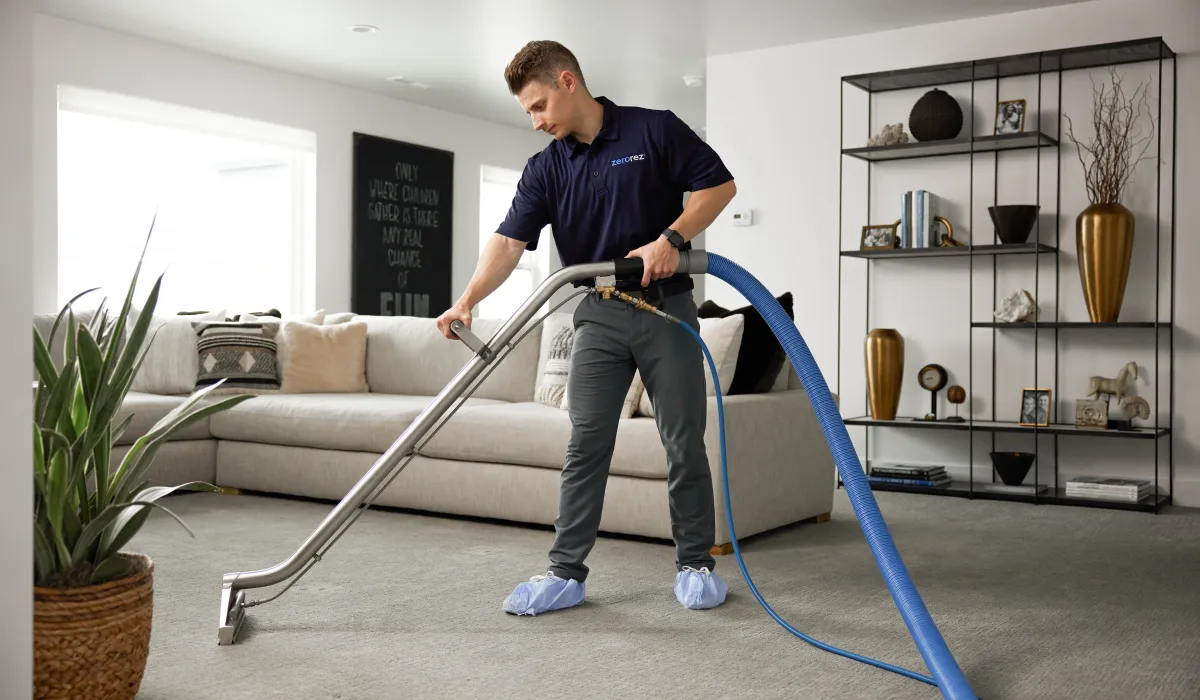
Professional tile and grout cleaning typically involves a multi-step process. First, a pre-treatment loosens the soil. Then a machine with soft brushes agitates the surface. Finally, a powerful vacuum extracts the dirty water. The result is a floor that looks noticeably cleaner, and grout that returns closer to its original color. Applying a grout sealer after cleaning can extend the time between deep cleans. The sealer fills the pores so dirt has a harder time sticking.
Bathroom and kitchen considerations
Bathroom cleaning and kitchen cleaning present different challenges. In bathrooms, soap scum and body oils are the main culprits. Mildew also thrives in the damp corners of a shower floor. In kitchens, grease and food residue are the primary offenders. Both rooms benefit from regular maintenance, but the cleaning chemistry differs. Bathroom grout often needs an alkaline cleaner to break down soap. Kitchen grout may need a degreaser.
Tile cleaning in these areas also requires care around fixtures and drains. Abrasive scrubbing can scratch fixtures or wear down the tile glaze. That is why soft brushes and controlled pressure are important. A professional surface cleaning service will adjust their tools and solutions based on the room and the soil type.
How to maintain between deep cleans
There are a few simple habits that keep tile and grout looking better longer. First, use a pH-neutral cleaner for regular mopping. Acidic or alkaline cleaners can degrade grout over time. Second, dry the floor after mopping. Standing water seeps into grout and encourages mildew. A microfiber mop or a squeegee works well. Third, address spills quickly. Red wine, tomato sauce, and coffee can stain grout within minutes if left untreated.
Fourth, consider using a grout sealer every year or two. The sealer needs to be applied to clean, dry grout. Once sealed, the grout repels liquids and resists staining. But no sealer lasts forever. Traffic and cleaning eventually wear it away. That is why periodic professional cleaning is still a good idea.
Fifth, avoid steam mops that claim to sanitize but actually push moisture into the grout. The steam may clean the tile surface, but the excess moisture can get trapped behind the tile or in the grout. Over time, that leads to loosening tiles or mold growth. Low-moisture methods are safer for the long-term health of the floor.
Why eco-friendly methods make sense
Eco-friendly cleaning is not just a marketing term. It reflects a practical choice for homes with children, pets, or anyone sensitive to strong odors. Traditional tile cleaning often uses bleach, ammonia, or other harsh chemicals. Those chemicals can leave residues that irritate skin or lungs. They also wash into the water system. Chemical-free cleaning, on the other hand, relies on physical action and modified water to do the work. It removes soil without leaving a chemical trail.
In Tulsa, where Zerorez offers this kind of service, the approach is built around Zr Water technology. That technology changes the charge of the water so it attracts dirt like a magnet. The water can then be extracted along with the soil. Because no soap or detergent is added, there is no sticky residue left behind. That means the floor stays cleaner longer because dirt has nothing to cling to. It is a different philosophy from the traditional scrub-and-rinse method.
The bigger picture
Carpet cleaning and tile cleaning share some principles. Both benefit from regular extraction of soil rather than just surface wiping. Both require the right tools to avoid damage. But tile and grout cleaning has its own set of rules. The grout needs gentle but thorough agitation. The tile needs a solution that does not dull its finish. And the whole process needs to leave the floor dry enough to prevent mold.

If you are considering a deep clean for your tile floors, look for a service that understands these nuances. Ask about their process. Do they use low-moisture techniques? Do they extract the dirty water or just scrub and rinse? Do they offer sealing as a follow-up? A good service will explain what they do and why. They will also tell you what to expect in terms of drying time and results.
Regular tile and grout cleaning is an investment in the life of your floor. It keeps the grout intact, prevents staining, and maintains a sanitary surface. With the right approach, even older tile floors can look refreshed. And with eco-friendly methods, you get that result without compromising indoor air quality or adding to the chemical load in your home. That is a win for the floor and for the people who walk on it.